
Pet articles and information
| Saltwater aquarium, marine fish, corals, and anemones, aquarium size, tank, filter, temperature, lion fish, live rock, keeping your fish and plants healthy |
A well set up saltwater aquarium tank is the dream of those who love the hobby. It can be an amazing and striking addition to your home or office and bring you hour of peaceful entertainment.
If you are a beginner, starting with a saltwater aquarium can be a risky business, so I would highly recommend getting the advice of a professional aquarium keeper before setting up your tank. It takes a lot of work and planning to set up the tank just right even before you can begin to introduce fish, corals, and anemones to your new saltwater aquarium.
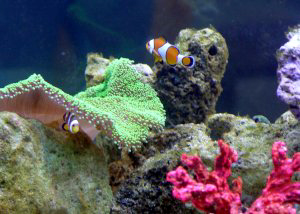
You will need to monitor the water parameters (temperature, nitrates, ammonia, etc) and some of the aquarium equipment on your saltwater setup. Once a week, or at least once a month, you will need to perform aquarium maintenance on your fish tank, especially water changes and water quality testing. The water in such an aquarium needs to be at the perfect temperature, be at the optimum ph, and have the exact salt content before it is safe for living beings. Salt water fish and other life forms are quite expensive, so it would be wise to have the tank properly set up before you end up with a tank full of sick or dying fish at a high cost.
There are different marine salt mixes in the market and they are all made slightly differently. Unless you're considering a reef tank, most of the commonly available mixes should serve you fine. You will develop your own salt mix preference after you've worked with them for a while.
Prepare and mix your salt water in a special bucket and once you have the perfect mixture you can add the saltwater to your tank. You will have to repeat this process until you have filled the aquarium. If it's a large tank you can mix the salt in the tank, which can be a bit more difficult and messy.
The lighting on the saltwater aquarium is very important. You need light in the aquarium for at least half a day. Plants and livestock need a perfect cycle of oxygen and carbon dioxide.
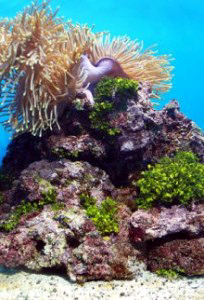
A well decorated salt water aquarium will be an asset for years to come, so it's worth it to spend time and energy looking for the right décor and ornaments for the tank. There are many types of decorations for a saltwater aquarium. Driftwood and sand look simply beautiful and are essential elements of saltwater fish natural habitat.
You can opt for real or plastic plants. However, live plants help you bring Nature into your home. Live plants oxygenate the water in the tank. Keep in mind that your fish will use the decorations you place in the tank as shelter and as playgrounds. So, for the benefit of the fish and to maintain the natural beauty of the aquarium, I would advise to use real aquatic plants.
Live rock is great for your saltwater aquarium. It helps formulate the aquarium's ecosystem, vital to aquatic life. Live rock is covered with micro and macro organisms which filter the waste products from the water, making it safe for your aquatic inhabitants.
Some saltwater aficionados keep only living corals and anemones in their tanks. This can be colorful and entertaining, at a more relaxed pace. You could keep fish in these tanks, but be aware that some fish view coral and anemones as food. Shrimps, crabs and snails will also eat any anemones you may have.
Anemones look like plants, but they are living creatures that need to be fed, and feeding them by hand can be a lot of fun. You place the food on top of the anemones tentacles and watch them curl themselves around the food and draw it into their mouths.
Before you bring in the inhabitants of your tank, choose the type of fish that you want. The type of fish will also decide the type of plants you use. You also need to research how the type of fish you are interested in will get along with other types of fish. Remember that the dynamics of a saltwater aquarium will be very similar to that in a real coral reef. Don't mix pray and predators. Do your homework.
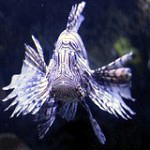
Some types of saltwater fish are poisonous, like Lion Fish. They are beautiful to look at and it's an awesome addition to your tank, but the spines on their fins are very toxic if you get stung.
You need to get medical help if this ever happens.
Deciding to have a saltwater aquarium is a lot of work. Keeping your fish and plants healthy will require a commitment on your part and it will be a considerable investment. But if you want to invite Mother Nature into your home environment, there is no better choice. You will enjoy this hobby for years to come.
Link to original article
If you liked this article, feel free to copy the code below and put it in your website to share with your friends.
Content by courtesy of:
Home | Dogs | Cats | Birds | Fish and aquariums | Ferret | Small pet | Free classified ads | Photos | Videos | Articles |